Lower Marsh market upholstery cleaning tips for traders
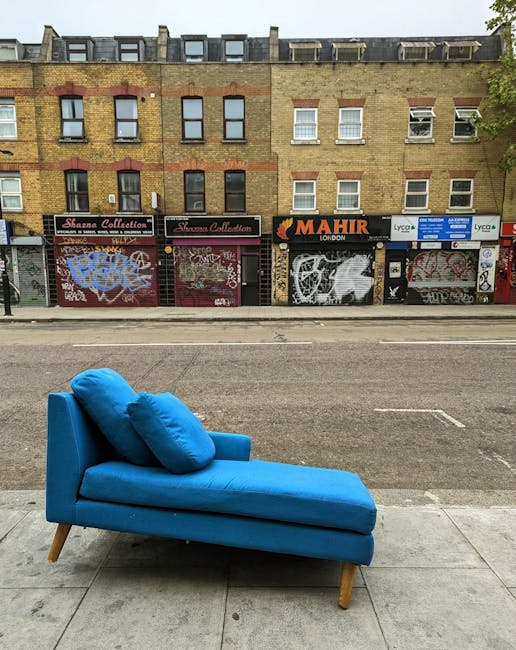
If you trade at Lower Marsh, you already know that presentation matters. A clean stool, bench, armchair, or upholstered display piece can make a stall feel more welcoming in seconds. The problem is that market life is busy: dust, food spills, weather, foot traffic, and constant set-up and pack-down all take a toll. These Lower Marsh market upholstery cleaning tips for traders are designed to help you keep fabrics looking good, smelling fresh, and lasting longer without disrupting sales.
This guide focuses on what actually works in a market environment: quick daily upkeep, better stain control, safer cleaning choices, and when to bring in a specialist rather than trying to do everything yourself. It also covers the practical side traders often ask about but rarely see explained properly, like drying time, odour control, fabric protection, and how to reduce avoidable wear. Truth be told, a little routine goes a long way.
Why Lower Marsh market upholstery cleaning tips for traders matters
At a market, customers often decide within moments whether a stall feels trustworthy, tidy, and worth stopping for. Upholstered items carry a lot of that visual judgement. A grubby chair back, dusty fabric ottoman, or stained seat cushion can make even excellent products feel a bit neglected. That is especially true in a place like Lower Marsh, where shoppers are moving quickly and comparing stalls as they walk.
There is also a practical side. Upholstery traps crumbs, smoke, humidity, pollen, and general street dust. In a compact trading environment, that build-up can create odours and make fabrics look older than they are. Regular cleaning does more than improve appearance; it helps preserve materials, supports hygiene, and can reduce the need for costly replacement. For traders, that is not just housekeeping. It is part of stock control.
For many stalls, upholstery plays a supporting role: waiting chairs, display seating, soft props, padded storage benches, or branded seating for customer browsing. These pieces are easy to overlook until they start looking tired. A sensible maintenance routine keeps them professional, and that matters whether you are selling food, crafts, vintage pieces, or services.
One small but useful observation: a clean upholstered item often changes how long customers stay. People are more likely to pause, sit, and browse when the space feels cared for. That little extra time can matter more than you'd think.
How Lower Marsh market upholstery cleaning tips for traders works
Good upholstery care is really a mix of prevention, light maintenance, and deeper cleaning at the right time. You do not need to deep-clean every fabric every week. In fact, over-cleaning can damage some materials. The trick is to match the method to the material and the level of use.
Most trader-friendly upholstery cleaning follows a simple pattern:
- Remove loose dirt first using vacuuming or a soft brush attachment.
- Treat spots quickly before they set into the fibres.
- Use the correct cleaning method for the fabric type.
- Dry the item properly so moisture does not linger.
- Protect the upholstery with routine care and sensible handling.
That last point is often missed. Cleaning is only half the job. If traders keep putting wet cups on arms, allowing bag straps to rub the same corner, or storing items uncovered overnight, the fabric will keep deteriorating. In other words, the clean only lasts if the habits improve too. A bit annoying, yes, but very true.
Different fabrics behave differently. Cotton and linen can absorb spills quickly. Polyester mixes are often more forgiving. Velvet, faux suede, leather-look materials, and wool blends may need gentler treatment. Before anything else, look for the manufacturer's care label or test the method on a hidden area. If there is no label, caution is the better choice.
Key benefits and practical advantages
For market traders, upholstery cleaning is not about perfection. It is about keeping your setup appealing, usable, and low-risk. The real benefits are practical.
- Better first impressions: Clean seating and soft furnishings help your stall look organised and professional.
- Longer fabric life: Regular dirt removal prevents grit from wearing down fibres.
- Improved smell control: Fresh fabrics are especially important if you handle food, textiles, or second-hand goods.
- Lower replacement costs: Maintenance is usually cheaper than replacing a worn seat or display piece early.
- More comfortable trading space: Staff and customers appreciate cleaner, better-kept seating.
- Reduced stain setting: Quick response stops spills becoming permanent marks.
There is also an indirect commercial gain. A neat stall tends to support confidence. Customers may not consciously think, "That upholstery is immaculate," but they do notice whether a stall feels cared for. The difference is subtle, but retail is full of subtle things.
If you use soft furnishings as part of a larger display setup, it may help to combine upholstery care with broader cleaning routines such as deep cleaning, one-off cleaning, or professional upholstery cleaning when the load becomes too much for routine maintenance alone.
Who this is for and when it makes sense
This advice is useful for a wide range of traders, but it is especially relevant if your stall includes upholstered items that customers can see or touch. That could be a food trader with seating, a vintage seller with restored furniture, a stylist or beauty trader using soft chairs, or a regular pitch that relies on branded display furniture.
It also makes sense for traders who pack and unpack often. Frequent movement means more knocks, more dust, and more accidental marking. If your items are transported between storage and the market, upholstery picks up grime from van interiors, hands, packaging, and damp weather. Lower Marsh can be lively and exposed, and that usually means more cleaning pressure than people expect.
You may need a stronger routine if:
- your furniture is used by many customers each day;
- you trade near food, drink, or cooking;
- your stock is fabric-based or vintage;
- you operate in damp, dusty, or high-traffic conditions;
- you have had repeated staining, odours, or mould risk in storage.
For traders running a mixed setup, it can also be worth pairing upholstery care with related services such as sofa cleaning, rug cleaning, or office cleaning if the same furnishings are used in more than one business setting.
Step-by-step guidance
Here is a practical method you can actually use between trade days.
1. Start with dry removal
Vacuum the upholstery slowly with a soft brush attachment. Pay attention to seams, tufts, piping, and underneath cushions. If you rush this stage, you end up pushing debris around rather than removing it. A quick brush first can also help lift dried crumbs and dust from textured fabrics.
2. Identify the fabric
Check what you are cleaning before adding water or product. Leather, faux leather, microfibre, wool, mixed synthetics, and cotton all behave differently. If you are unsure, use the mildest option available. For traders, "safe enough" is usually better than "clever but risky."
3. Treat fresh spills immediately
Blot, do not rub. Rubbing spreads the stain and can fray fibres. Use a clean white cloth or paper towel and work from the outside of the mark inward. If the spill is sugary or greasy, remove as much residue as possible first before applying any liquid cleaner.
4. Use a light cleaning solution where suitable
A very small amount of suitable upholstery cleaner or mild soap solution may be enough for many spot jobs, but only if the fabric allows it. Apply sparingly to the cloth, not directly to the item. Too much liquid is one of the most common causes of water rings and slow drying. A market stall is not the place for soaking things through and hoping for the best.
5. Work in sections
If you are cleaning a larger upholstered item, divide it into small zones so you can stay consistent. This helps avoid patchy drying and obvious edges. It is especially useful on seats, benches, and display chairs that are handled often.
6. Dry fully and ventilate well
Airflow matters. Open windows where possible, use a fan if appropriate, and avoid putting the item back into service until it is properly dry. Even slightly damp upholstery can develop musty smells, especially if it is stored in a van or packed into a tight container overnight.
7. Finish with protection and inspection
Once clean, check for missed marks, fabric damage, or lingering odour. If the item is frequently used, consider a protective cover or a stricter no-drinks rule. Sometimes the best cleaning tip is simply stopping the next stain before it happens.
Expert summary: For trader furniture, the winning formula is not heavy cleaning every time. It is fast spot treatment, gentle products, proper drying, and prevention. That combination keeps upholstery looking presentable without creating new problems.
Expert tips for better results
Once the basics are in place, a few small adjustments can make a noticeable difference.
- Test before treating the whole item. A hidden corner can save you a lot of grief.
- Use white cloths instead of coloured ones. Dyes from cloths can transfer, especially on pale fabrics.
- Keep a separate cloth for dry dusting and wet spot work. Cross-contamination is easy when you are in a rush.
- Act quickly on food and drink spills. Heat and sugar make stains harder to remove later in the day.
- Rotate cushions or high-wear pieces. Even wear helps a stall look better for longer.
- Use fragrance cautiously. Strong odours can clash with food stalls or make spaces feel artificially cleaned.
For more comprehensive maintenance, some traders schedule occasional support from a reliable cleaning company when the stall has accumulated too much grime for a simple wipe-down. Others prefer periodic service from cleaners who can handle upholstery alongside floors, windows, and other high-contact surfaces.
A useful rule of thumb: if the item needs more than a careful spot clean, stop and assess. Forcing a quick fix can leave tide marks, stiffness, or shrinkage. Not ideal when you need the piece back on the pitch tomorrow morning.
Common mistakes to avoid
Many upholstery problems in market settings come from well-meant but clumsy cleaning habits. Here are the ones worth avoiding.
- Using too much water: Soaked fabric dries slowly and may smell musty.
- Rubbing stains aggressively: This can spread the mark and distort the weave.
- Skipping the vacuum stage: Dirt left in the fibres acts like fine sandpaper.
- Mixing products: Different cleaners can react badly together, especially on delicate fabrics.
- Ignoring drying time: Putting an item straight back into use can undo the work.
- Assuming one method fits all: What works on a synthetic seat may be unsuitable for a wool blend.
- Cleaning only when visible dirt appears: By then, grime has often already settled deep into the fabric.
Another common mistake is treating a soft-furnishing issue as if it were only cosmetic. If upholstery repeatedly smells damp, it may point to storage conditions, ventilation problems, or hidden moisture. That is worth dealing with, not masking.
Tools, resources and recommendations
You do not need a warehouse of equipment to keep trading upholstery in good shape. A small, sensible kit is usually enough.
- Soft brush vacuum attachment: Best for dust, crumbs, and dry debris.
- Microfibre cloths: Useful for blotting and gentle wiping.
- Upholstery-safe cleaner: Choose one that matches the fabric type and follow the label carefully.
- White towels or paper: Helpful for blotting spills without colour transfer.
- Portable fan or good airflow: Useful for drying after spot cleaning.
- Fabric protector, where appropriate: Only if suitable for the material and used sparingly.
If you are looking at professional help, it is worth asking about method, drying expectations, insurance, and whether the cleaner has experience with commercial or high-use furnishings. That kind of detail matters. A trader's needs are not the same as a quiet domestic living room.
It may also help to review the company's wider standards around trust and care. Pages such as about us, health and safety policy, insurance and safety, and recycling and sustainability can give you a better sense of how a provider works and what it values.
Law, compliance, standards, or best practice
Upholstery cleaning itself is not usually the sort of task that triggers a complicated legal checklist, but traders should still think carefully about safety, hygiene, and responsibility. In the UK, businesses generally need to manage cleaning in a way that does not create risks for staff, customers, or contractors. That means sensible handling of water, chemicals, slips, drying times, and storage.
If you clean on-site, you should also think about whether the work could make walkways slippery or create trip hazards. Wet floors, trailing cables, and cleaning equipment left in public view are easy to overlook when the market is busy. They are also the kind of thing that can cause avoidable issues very quickly.
Using product labels, keeping cleaning materials properly stored, and following basic manual handling best practice are all sensible norms. If a product is designed for a particular fabric or contact time, do not improvise. The same applies to fire safety and ventilation if you are dealing with solvents or strong odours. Small spaces need more care than people often realise.
For traders working in shared or customer-facing areas, it is wise to stay aligned with general site rules and any venue expectations. If you need a better understanding of the broader standards a cleaning provider follows, it can be useful to look at the company's terms and conditions and payment and security information before booking anything formally.
And if the upholstery has been affected by flood, dust from works, or a larger refurbishment nearby, a more thorough approach such as after builders cleaning may be the more realistic option. Sometimes the issue is bigger than routine maintenance can solve.
Options, methods, or comparison table
Different cleaning methods suit different trader situations. Here is a simple comparison to help you decide what is appropriate.
| Method | Best for | Pros | Watch-outs |
|---|---|---|---|
| Dry vacuuming and brushing | Routine dust and crumbs | Fast, safe, low moisture | Won't remove set-in stains |
| Spot cleaning | Fresh spills and small marks | Quick and targeted | Can leave rings if over-wet |
| Foam or light upholstery cleaner | Everyday grime on suitable fabrics | Good balance of cleaning and drying | Must match fabric type |
| Professional upholstery cleaning | Heavier soiling, odour, repeated use | Deeper clean and more thorough finish | Needs scheduling and dry time |
| Cover replacement or reupholstery | Severe wear or damaged fabric | Can refresh the whole look | Costly compared with maintenance |
For many traders, the best answer is a combination. Daily dry care, quick spot treatment, and occasional specialist support usually deliver the best value. It is rarely an all-or-nothing choice.
Case study or real-world example
Imagine a Lower Marsh trader using two upholstered tub chairs for customer seating and one fabric bench behind the counter. The chairs pick up coffee drips, dust from the road, and scuffs from shopping bags. The bench gets less visible but more frequent contact from staff coats and boxes.
At first, the trader only wipes the chairs when they look dirty. Over time, the arms begin to look dull, the bench develops a faint smell after damp mornings, and the darker marks near the seams become harder to remove. Nothing dramatic. Just a slow decline that starts to make the whole pitch feel less polished.
After changing the routine, they vacuum every morning, blot spills immediately, and reserve deeper cleaning for quieter periods. They also cover the bench when packing up and avoid storing damp fabric in a closed van. Within a few weeks, the stall feels fresher, and the seating no longer looks like an afterthought. Nothing magical, just consistency. That is often the whole game.
In cases like this, traders sometimes decide to combine routine care with a broader service such as sofa cleaning or upholstery cleaning before the busy season starts. It can be a simple way to reset everything at once.
Practical checklist
Use this checklist before opening and after closing if your stall includes upholstered items.
- Vacuum seats, benches, and soft display pieces.
- Check seams, corners, and underneath cushions for crumbs or grit.
- Blot any new spills straight away.
- Test any cleaning product on a hidden patch first.
- Use as little liquid as possible.
- Allow enough drying time before reuse or storage.
- Ventilate the area if a mild cleaner or moisture has been used.
- Inspect for lingering smell, water marks, or fabric damage.
- Cover or protect high-wear surfaces overnight.
- Book professional cleaning when wear becomes noticeable or routine care is no longer enough.
If you need a trusted team for a fuller clean, you can also review service information for carpet cleaning, window cleaning, or office cleaners to keep the wider trading space looking coherent and professional.
Conclusion
For market traders, upholstery cleaning is not a side issue. It shapes how your stall looks, smells, and feels to customers every day. The best results usually come from small, consistent habits rather than dramatic occasional scrubs: vacuum well, act fast on spills, dry properly, and know when a fabric needs specialist attention.
Lower Marsh has its own pace and character, and your stall should match that energy in a positive way. Clean upholstery helps create a space that feels cared for, reliable, and easy to spend time in. That is good for presentation, good for comfort, and usually good for business too.
Get a free quote today and see how much you can save.
Get a free quote today and see how much you can save.
When you keep the soft details in good shape, the whole stall feels a little more welcoming. And that is often what people remember.
Frequently asked questions
How often should traders clean upholstered seating at a market stall?
Light cleaning should happen as part of your routine, ideally daily or after each trading day if the furniture is used often. Deeper cleaning is usually best done periodically, depending on wear, spills, and fabric type.
What is the safest way to remove a fresh stain from upholstery?
Blot the stain gently with a clean white cloth rather than rubbing it. Use minimal liquid and test any cleaner on a hidden area first. If the stain is greasy, sugary, or already set, a more careful method may be needed.
Can I use household cleaners on market upholstery?
Sometimes, but only if the fabric allows it and the product is suitable. Many strong household cleaners are too harsh for delicate upholstery and can cause fading, residue, or stiffness. Mild, fabric-appropriate products are usually safer.
How do I stop upholstered items smelling damp after storage?
Make sure they are completely dry before packing them away, then store them in a ventilated space whenever possible. Damp smells usually come from trapped moisture, not just dirt, so airflow matters a lot.
Is professional upholstery cleaning worth it for traders?
Yes, especially if the items are heavily used, stained, or hard to maintain between trade days. A professional clean can be more efficient than repeated spot treatment and may help extend the life of the furniture.
What fabrics are hardest to clean in a trading environment?
Delicate fabrics such as velvet, wool blends, and some natural fibres can be trickier because they may react badly to too much moisture or aggressive rubbing. Always check the care label if there is one, and test cautiously.
Should traders cover upholstered items overnight?
If practical, yes. Covers can reduce dust build-up, protect from accidental marks, and help items stay fresher between trading days. This is especially useful if you move stock in and out often.
Can upholstery cleaning help a stall look more professional?
Absolutely. Clean seating and soft furnishings contribute to the overall impression customers get when they approach your pitch. Even small improvements can make the setup feel more organised and trustworthy.
What should I do if a stain will not come out?
Stop scrubbing and reassess the fabric and stain type. Repeated aggressive cleaning can make the damage worse. If the mark remains, it may be worth asking for specialist upholstery cleaning rather than forcing it.
Do traders need to think about safety when cleaning upholstery on site?
Yes. Wet surfaces, trailing equipment, and strong cleaning products can create hazards in a busy market setting. Keep walkways clear, use minimal moisture, and allow plenty of drying time before anyone sits down again.
What is the difference between spot cleaning and deep cleaning?
Spot cleaning deals with a specific mark or spill, while deep cleaning is a more thorough process for broader dirt, odour, and embedded grime. Traders usually need both at different times.
Where can I find more information about related cleaning services?
You can explore related service pages such as upholstery cleaning, sofa cleaning, and deep cleaning if you want broader support for a trader space or stock setup.